
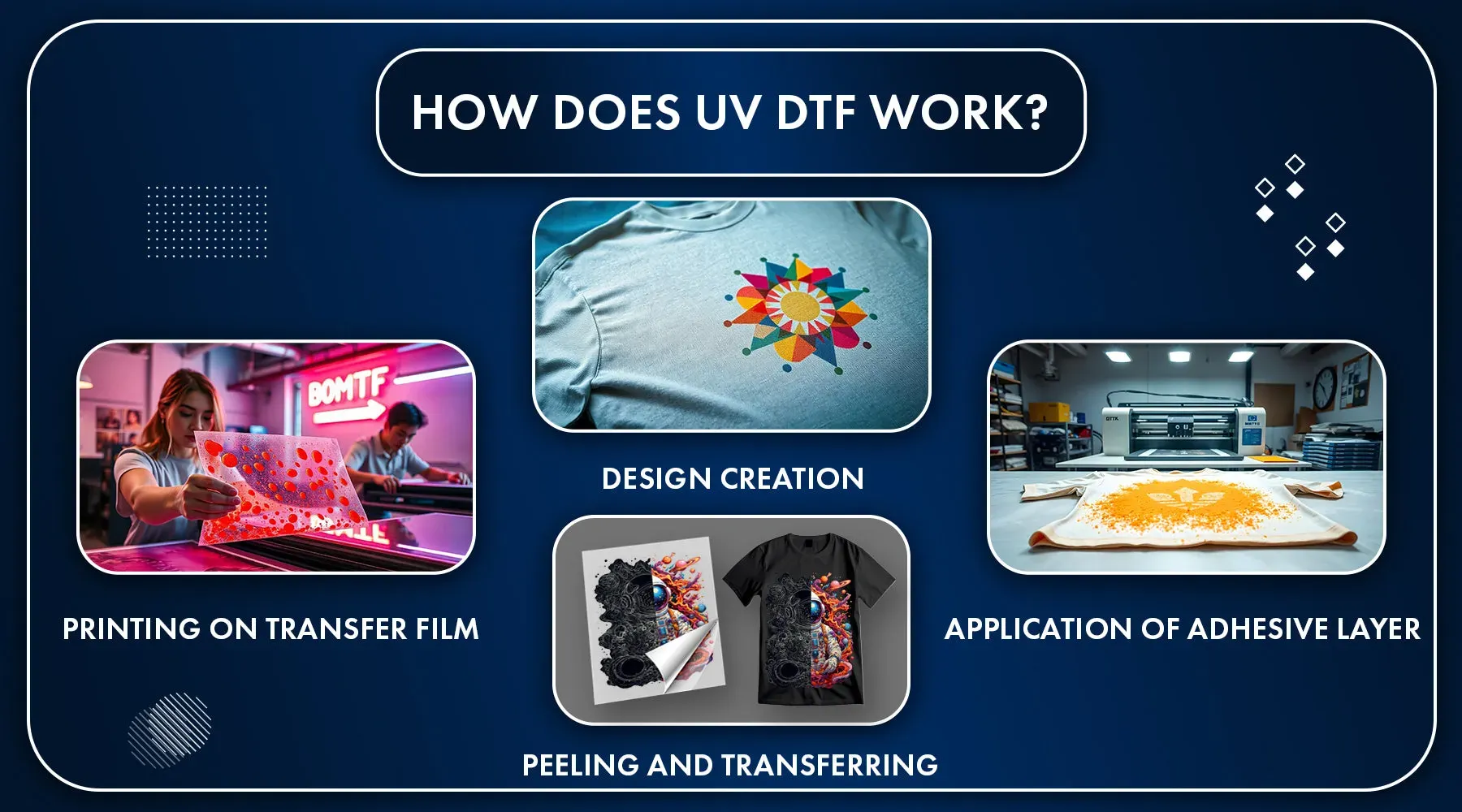
Color Management for UV DTF Transfers is a critical pillar in ensuring the final print matches the original design and intent. In digital textile workflows, this discipline aligns printer performance, software workflows, and media characteristics to deliver predictable color. Implementing UV DTF transfers color management across batches helps stabilize hues and improve repeatability. Key steps include calibrated targets, ICC profiles for UV DTF, and substrate-aware profiling. By building this structured workflow, shops reduce waste, shorten proofs, and achieve reliable color reproduction on diverse fabrics.
From an alternative terminology perspective, the topic can be framed as color fidelity in UV-ink transfers and ensuring media works harmoniously with lighting and garment types. Rather than focusing on software settings alone, practitioners consider how textiles, films, and coatings influence perceived color under real-world conditions. Related concepts include maintaining color consistency across media, calibrating devices to target color appearances, and using media-specific color references to guide printing decisions. This approach emphasizes practical outcomes: predictable results, reduced waste, and a smoother transition from design concept to finished transfer.
Color Management for UV DTF Transfers: Foundations and Why It Matters
Color management for UV DTF transfers ensures that the colors in your design translate to the final print with minimal drift. It requires alignment across devices—design software, RIPs, printers, and post-processing—to account for how UV inks behave on textiles and transfer films. When we talk about Color Management for UV DTF Transfers, we’re emphasizing a holistic approach that goes beyond a single adjustment and toward calibration, profiling, and substrate selection as an integrated system.
In practice, this means establishing controlled workflows, color spaces, and proofing stages that reflect real production conditions. By incorporating practical steps like soft proofing, spectral measurements, and substrate-aware ICC profiles, you can reduce batch-to-batch variation and ensure more predictable outcomes across different fabrics and finishes. The goal is to synchronize printer behavior with design intent so that color accuracy drives efficiency and minimizes waste.
ICC Profiles for UV DTF: Tailoring Color Translation Across Fabrics
ICC profiles for UV DTF define how your design’s color values translate from software to the printer’s color space. These profiles describe the unique colorimetric response of UV inks on textiles and transfer films, guiding accurate reproduction across substrates. For UV DTF, the emphasis on ICC profiles for UV DTF helps reduce color drift between batches and provides a reliable reference for color decisions in production.
Creating or tailoring ICC profiles for your most-used fabrics involves testing with representative substrates, ink sets, and transfer methods. The result is consistent color translation from design to print, even when switching between textiles or finishes. Regularly updating profiles as inks, lamps, or materials change can further improve predictability and support accurate color reproduction UV DTF across varied production scenarios.
Color Calibration for UV DTF: Keeping Color Consistent Across Batches
Color calibration for UV DTF is the process of aligning the printer’s current performance with a standard reference so that colors stay consistent from one print to the next. Regular calibration of the print head, color sensors, and lamp stability is critical because UV-curable inks can shift with lamp aging or nozzle wear. Implementing a solid calibration routine protects the integrity of color reproduction UV DTF and reduces the need for reprints.
A practical calibration workflow includes establishing a baseline target, performing routine lamp and head alignment, and validating against reference targets. Scheduling calibration at defined intervals and before critical runs ensures that the color you see on the proof is what you’ll get on production. This discipline minimizes drift and enhances long-term color stability across batches.
Substrate Compatibility for UV DTF Transfers: How Texture and Coatings Color Appearance
Substrate compatibility for UV DTF transfers dramatically affects color appearance. The interaction between UV inks and textile fibers or transfer films influences hue, saturation, and brightness, so substrate nuances must be reflected in your color management data. Choosing fabrics or coatings with known optical properties—and documenting them in your profiles—helps maintain accurate color reproduction UV DTF.
Testing on representative substrates, including different blends, coatings, and finishes, allows you to capture the real-world color response and adjust ICC profiles accordingly. Substrate-aware workflows help ensure that even when you switch between cotton, polyester, or specialty textiles, the color intent remains consistent and predictable across production runs.
Achieving Accurate Color Reproduction UV DTF: Techniques for Consistency
Achieving accurate color reproduction UV DTF involves a combination of proofing, in-process checks, and measured targets. Techniques such as soft proofing, hard proofing, and in-line color checks enable you to compare printed results against reference standards. By focusing on this objective, you create a reliable baseline for color decisions and reduce variability across fabrics and finishes.
In practice, you’ll validate proofs against production targets, maintain tight tolerances for color shifts, and adjust printer settings to compensate for subtle changes in inks or substrates. Small test runs and real-world recipes help verify color fidelity before committing to large orders, supporting consistent results and meeting client expectations for accurate color reproduction UV DTF.
Building a Robust Color Management Workflow for UV DTF Transfers
A robust color management workflow for UV DTF transfers ties together design, proofing, and production in a repeatable sequence. This includes establishing color-managed software settings, embedding ICC profiles, and documenting color targets for each substrate. By creating a repeatable routine, teams can minimize human error and maintain color integrity across batches and fabrics.
Key steps in the workflow include baseline capture of printer and substrate characteristics, development of tailored ICC profiles for common fabrics, and routine color checks at the start of each shift. Training staff to interpret color targets and to apply profile-driven adjustments within approved thresholds helps sustain a predictable, efficient UV DTF production process and supports long-term consistency in color outcomes.
Frequently Asked Questions
What is Color Management for UV DTF Transfers and how does color calibration for UV DTF fit into it?
Color Management for UV DTF Transfers is the system for controlling color across devices and media so the final print matches the design when using UV inks on textiles. Color calibration for UV DTF is the practice of aligning the printer’s output to a standard reference to keep color consistent across runs. A solid workflow includes calibrating, profiling, and monitoring color from design through production.
Why are ICC profiles for UV DTF crucial for accurate color reproduction UV DTF transfers?
ICC profiles for UV DTF translate color values from design software into the printer’s color space, reflecting how your inks and substrate reproduce color. For UV DTF, custom or tailored profiles reduce color drift across batches and improve reliable color reproduction across fabrics.
How do substrate compatibility for UV DTF transfers affect color management and color reproduction?
Substrate compatibility for UV DTF transfers greatly affects color appearance, since different fabrics and transfer films interact uniquely with UV inks. Your ICC profiles and calibration steps must consider substrate nuances to maintain accurate color reproduction UV DTF.
What steps are involved in establishing a color management workflow for UV DTF transfers, and how do you calibrate and profile the system?
Steps to establish a color management workflow for UV DTF transfers include designing in a calibrated environment, using soft proofing to anticipate print results, applying ICC profiles tailored to UV inks and fabrics, performing regular printer calibration, and conducting color checks during production, followed by validating proofs against production.
What common pitfalls in color management for UV DTF transfers should I avoid to ensure accurate color reproduction?
Common pitfalls include ignoring substrate impact on color, mixing color spaces across the workflow, skipping regular calibration, having too many conflicting profiles, and rushing proofs.
How can I validate proofs and maintain consistent color across batches in UV DTF transfers through ICC profiles and substrate choices?
To validate proofs and maintain consistency across batches, use soft proofing and, when possible, hard proofs to compare against reference targets; perform ongoing color checks during production; ensure substrate quality and consistency; and regularly audit ICC profiles and calibration.
| Aspect | Summary | UV DTF Relevance |
|---|---|---|
| Purpose of Color Management | Color Management for UV DTF Transfers ensures the final print matches the original design. | Foundational for consistency across fabrics and substrates. |
| Key workflow components | ICC profiles translate color from design to printer; color spaces; calibration; substrate profiles. | Core elements that control color across devices and media. |
| Calibration vs Profiling | Calibration aligns current printer output to a standard; Profiling maps printer/substrate to a defined color space; together they form a robust framework. | Ensures repeatable color across jobs and materials. |
| Color management workflow steps | 1) Design in calibrated environment; 2) Convert to printer-friendly color; 3) Use ICC profiles; 4) Regular color checks; 5) Proof vs production; 6) Maintain substrate quality. | Maintains color intent from concept to print. |
| Common pitfalls | – Ignoring substrate impact; – Mixing color spaces; – Skipping regular calibration; – Too many profiles; – Rushing proofs. | Avoids color variability sources in UV DTF. |
| Practical implementation steps | – Establish a baseline; – Create/acquire ICC profiles; – Set up color-managed workflow; – Build repeatable routine; – Train staff; – Audit and refine. | Facilitates real production adoption. |
| Ongoing monitoring and adaptation | – Not a one-time setup; monitor ink, substrate, climate; recalibrate profiles; update as needed. | Ensures long-term color stability and reduces waste. |
| Impact on outcomes | Structured color management reduces waste, reprints, and improves client satisfaction. | Leads to reliable color across batches. |
Summary
Color Management for UV DTF Transfers is the backbone of achieving accurate reproduction across fabrics and substrates. By investing in ICC profiles for UV DTF, rigorous color calibration, and substrate-aware workflows, you can achieve consistent color across batches and materials. A structured color management approach reduces reprints, speeds up production, and strengthens the reliability of your UV DTF transfers. Whether you’re printing on cotton, polyester, blends, or specialty textiles, the core principles remain the same: calibrate, profile, proof, and produce with color confidence. As you implement these practices, you’ll notice more predictable results, improved color stability, and a smoother path from design to finished transfer.