
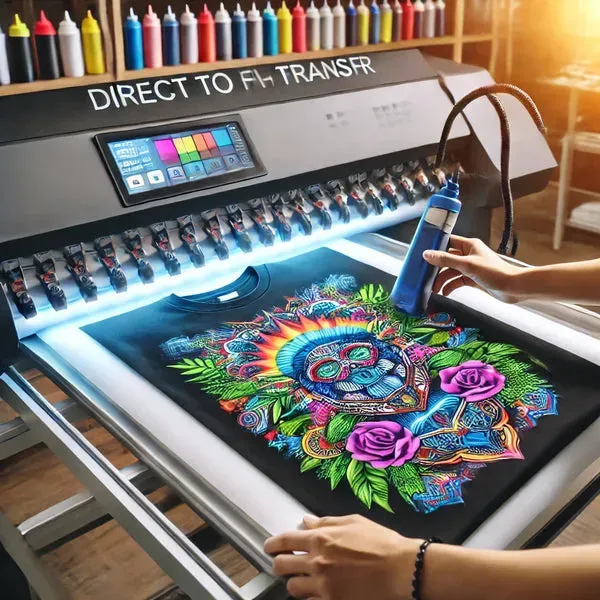
Environmentally Friendly UV DTF Transfers are reshaping garment customization by delivering bold, durable designs with a smaller environmental footprint. This approach embraces eco-friendly UV DTF transfers and sustainable DTF printing, reducing waste, emissions, and the reliance on harsh solvents. Careful ink selection matters, with UV DTF printing inks designed to cure efficiently while staying within safety guidelines. Where feasible, water-based inks for DTF help minimize solvent exposure and support safer, cleaner production environments. By integrating green heat transfer practices across materials, curing, and waste management, brands can protect margins without sacrificing quality.
From an LSI-inspired perspective, the topic expands beyond the exact phrase to include eco-conscious film-to-fabric transfers and greener textile decoration. Green Direct-to-Film practices rely on low-VOC formulations, water-based inks for DTF, and recyclable films to reduce the lifecycle footprint. Printers focus on energy-efficient curing, responsible sourcing, and end-to-end waste reduction to support a more sustainable supply chain. This broader framing helps designers communicate verifiable sustainability to customers and build trust.
Frequently Asked Questions
What are Environmentally Friendly UV DTF Transfers and why are they important for eco-friendly printing?
Environmentally Friendly UV DTF Transfers refer to the Direct-to-Film transfer method using UV-curable inks and greener workflow practices. They prioritize low-VOC inks, energy-efficient UV curing, waste reduction, and responsible material sourcing to maintain print quality while supporting sustainable DTF printing and green heat transfer practices.
What should I look for in UV DTF printing inks to support sustainability?
Look for UV DTF printing inks with low VOCs, low odor, and safety certifications to minimize environmental and worker impact. Prioritize inks with robust jetting performance and quick curing that still deliver color fidelity, durability, and compatibility with eco-friendly workflows.
How can water-based inks for DTF fit into a sustainable DTF printing workflow?
Water-based inks for DTF can reduce solvent emissions and improve workplace safety, contributing to a more sustainable DTF printing workflow. Ensure compatibility with your printer and films, and calibrate curing to maintain color vibrancy and durability while aligning with sustainable goals.
Which substrates and materials choices maximize sustainability in eco-friendly UV DTF transfers?
Choose natural or recycled-content fabrics and pre-treated textiles with low-impact processing to lower the lifecycle footprint. Use recyclable liners and films, and select substrates that require less energy during finishing and washing, all while preserving transfer durability.
What design and process strategies support green heat transfer practices in UV DTF transfers?
Invest in precise profiling, ICC color management, and reliable color separations to reduce reprints and waste. Optimize curing exposure to save energy, use eco-friendly cleaners, implement a simple QC process, and plan end-of-life considerations for consumables to reinforce green heat transfer practices.
How can brands ensure end-of-life readiness and supplier support for Environmentally Friendly UV DTF Transfers?
Develop an end-of-life plan that includes recycling film scraps, cleaners, and used liners. Partner with suppliers offering take-back programs and sustainable packaging, and communicate eco credentials and certifications to customers to build trust around Environmentally Friendly UV DTF Transfers.
| Aspect | Key Points |
|---|---|
| Understanding Sustainability in UV DTF |
|
| Eco-Friendly Inks & Materials |
|
| Substrates & Longevity |
|
| Design & Waste Reduction |
|
| Waste Management & End-of-Life |
|
| Curing Energy Efficiency |
|
| Durability & Green Performance Balance |
|
| Process Best Practices |
|
| Future Trends & Recommendations |
|
Summary
The HTML table above highlights the key points from the base content on Environmentally Friendly UV DTF Transfers, organizing the core concepts into clear categories and actionable ideas. This structure helps readers quickly grasp sustainability considerations across inks, substrates, design, curing, waste, and ongoing improvement.