
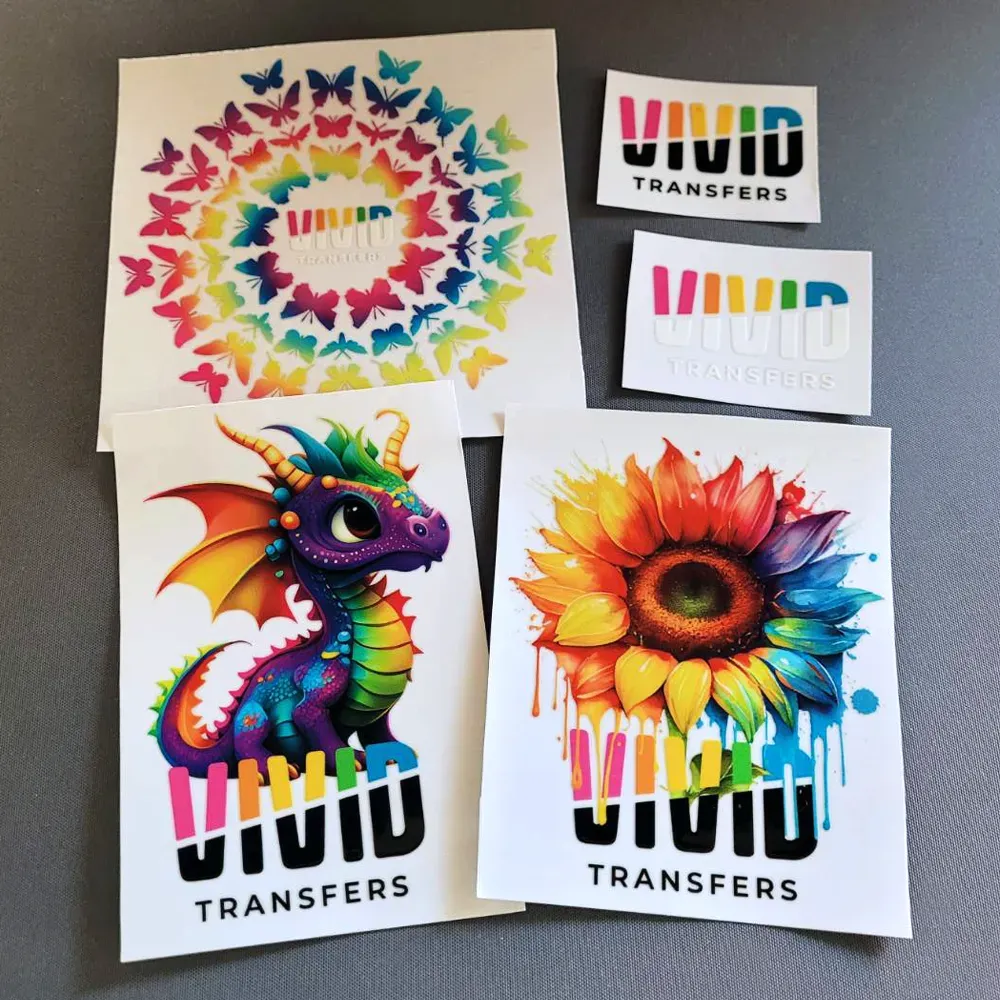
UV DTF transfers have emerged as a game-changing option for creators who want brilliant, durable prints on textiles and other substrates. If you’re exploring different transfer technologies, you’ve likely encountered terms like DTF, sublimation, and vinyl. UV DTF transfers sit at an appealing intersection: they combine the versatility of direct-to-film methods with the instant color locking and UV-curable inks for transfers. This ultimate guide will explain what UV DTF transfers are, why they’re popular for vibrant, long-lasting designs, and how to optimize your workflow for consistent results, including DTF transfers durability. For beginners, using a reliable heat press for transfers can streamline production.
From a semantic perspective, this approach aligns with terms like UV printing on transfer films and direct-to-film workflows. In practice, designers refer to film-based color transfers, quick-curing inks, and layerable artwork that preserves detail once heat is applied. These Latent Semantic Indexing ideas help connect related concepts such as color accuracy, fabric compatibility, wash fastness, and workflow efficiency, creating content that covers the topic more comprehensively. Content that uses such alternatives and linked terms can answer common questions about durability, finish, and best practices from design to finished product. In short, this second approach broadens the conversation beyond a single technique to encompass the broader world of digital textile decoration.
What makes UV DTF printing stand out for vibrant, durable designs
UV DTF printing blends the flexibility of film-based transfers with the instant cure and color fidelity of UV-curable inks for transfers. By printing directly onto a transfer film using UV-curable inks, designs achieve sharp outlines, bright saturation, and a broad color gamut that remains vivid across dark and light fabrics. This combination helps designers push multi-color artwork, photographic detail, and fine type to the fabric with minimal post-processing. In short, UV DTF printing is built for high-impact visuals that stand out in real-world use.
The durability of UV DTF designs comes from both the curing chemistry and the film-based workflow. Once exposed to UV light the inks set immediately, reducing smudging during handling and pressing. The result is prints that resist fading from light exposure and maintain color integrity through repeated wash cycles. For creators aiming at long-lasting wearables or accessories, this approach delivers crisp edges and strong color retention that stay vibrant over time.
UV DTF transfers vs other methods: setting expectations for performance
When comparing UV DTF transfers to sublimation, vinyl, or traditional DTF, you’re evaluating fabric compatibility, color vibrancy, and durability. Sublimation excels on polyester with high wash durability but limited fabric variety, while vinyl shines on simple, bold designs but can feel rigid. UV DTF transfers broaden fabric compatibility and deliver detailed, multi-color artwork with a smooth finish and a different tactile feel.
Durability with UV DTF transfers is driven by instant curing and UV-curable inks, which minimize color bleed and edge fuzz. However, outcomes still depend on substrate type, heat press parameters, and film choice. With the right heat press for transfers and properly tuned dwell times, UV DTF can offer robust performance across cotton blends, blends, and others, often matching or exceeding the long-term looks of other methods in real-world wear.
Key materials and equipment for UV DTF printing success
A reliable UV DTF setup centers on UV-curable inks designed for rapid cure, a UV curing lamp or exposure system, and a transfer film engineered for clean release. Together they enable crisp color reproduction and minimal smear. When selecting materials, consider how the ink’s cure profile interacts with the film’s adhesion to fabric, as this balance directly influences wash durability and edge fidelity.
Important ancillary items include a heat press for transfers that can deliver consistent temperature and pressure, protective sheets to prevent scorching, edge masks to maintain precise alignment, and lint-free rollers to reduce residue during transfer. For many projects, white ink DTF plays a crucial role on dark fabrics, ensuring opacity beneath color layers and preserving vibrant results under bright lighting.
Design and color management for razor-sharp UV DTF prints
Effective UV DTF printing starts with thoughtful design and robust color management. Working in a trusted color space and planning with print-ready profiles helps translate digital intent into the film with fidelity. High-resolution artwork (300 dpi or higher) preserves fine lines and photographic detail, while ensuring that line work and radii stay crisp after curing and transfer.
In practice, many designers use CMYK-based workflows or broader gamuts compatible with UV-curable inks for transfers to capture a wide color range. Test prints are valuable to verify color accuracy, edge sharpness, and how colors map when transferred from film to fabric. By aligning design with the printer’s capabilities, you can minimize surprises after the heat press and achieve consistent, market-ready results.
A practical UV DTF workflow: from design to finished transfer
A standard UV DTF workflow begins with preparing the design for the target print area, converting text to outlines as needed, and verifying color-block alignment before printing on the UV-curable film. Printing with UV-curable inks and then curing with a UV lamp locks the image in place and ensures the film remains stable during handling and transfer.
Following cure, align the transfer film with the garment using guides or heat-resistant tape, and apply heat and pressure with a suitable heat press for transfers. Depending on the system, you may peel the film hot or cold. Post-press checks and, if needed, a brief rework help maintain consistency across batches and ensure the finished piece meets your quality standards.
Care, durability, and troubleshooting of UV DTF transfers
To maximize longevity, follow care recommendations such as washing garments inside out, using mild detergents, and avoiding harsh solvents. Drying methods should minimize heat exposure, and re-pressing with protective sheets can help preserve vibrancy after multiple washes. This practical care routine supports the DTF transfers durability you expect from UV DTF printing.
Common issues like color fading, edge misalignment, or cracking often point to curing or press parameters. Verify that the UV ink fully cured, the transfer film released cleanly, and the heat press settings were appropriate for the fabric and film. Troubleshooting steps—adjusting cure time, refining color density, and ensuring proper alignment—can restore consistency and protect the investment in UV DTF transfers.
Frequently Asked Questions
What are UV DTF transfers and how does the UV DTF printing process work?
UV DTF transfers are produced by printing designs on a transfer film using UV-curable inks (the UV DTF printing process) and then curing the ink with UV light before heat pressing the film onto fabric or other substrates. The instant cure of the UV inks creates sharp edges, bright and highly saturated colors, and strong adhesion, resulting in durable, vibrant transfers. This film-based workflow combines the versatility of DTF with the color stability of UV-curable inks for fast, reliable results.
How durable are UV DTF transfers, and what affects DTF transfers durability?
UV DTF transfers offer strong durability because the UV-curable inks cure instantly, producing colorfast images that resist fading and washing when properly pressed. Durability is influenced by ink quality, complete curing, transfer film integrity, and appropriate heat-press parameters. With the right materials and workflow, UV DTF transfers maintain vibrancy and edge sharpness over time.
Is a heat press for transfers essential for UV DTF transfers, and what settings work best?
Yes, a heat press for transfers is essential to apply UV DTF designs with consistent temperature, pressure, and dwell time. Use manufacturer-recommended settings for your film and fabric, then adjust pressure for fabric thickness and ensure even contact to avoid scorching or incomplete adhesion. Proper heat pressing is critical to achieving durable, high-quality results.
Can UV DTF transfers reproduce white areas, and what role does white ink DTF play in this process?
Yes. White ink DTF (white ink DTF) underbases are often used with UV DTF transfers to reproduce white areas on dark fabrics, ensuring colors stay vibrant. By incorporating white ink DTF into the workflow, you can achieve opaque, bright designs on cotton blends and other dark substrates, while preserving edge clarity and color saturation.
What are UV-curable inks for transfers, and how do they affect color vibrancy and longevity in UV DTF transfers?
UV-curable inks for transfers are designed to cure instantly under ultraviolet light, delivering a broad color gamut, sharp details, and quick production. In UV DTF transfers, these inks enhance color vibrancy, reduce cure time, and improve wash and lightfastness, contributing to long-lasting, eye-catching graphics.
What is the best UV DTF workflow to ensure consistent results, from design to finish?
A practical UV DTF workflow includes: prepare the design with high resolution (300 dpi or higher) and color-management, print on the UV-curable transfer film, cure the ink with a UV lamp, visually inspect for defects, align the transfer accurately on the garment, press with the recommended temperature, pressure, and time, then peel and finish as required. Testing proofs and calibrating printers and presses help maintain consistency across batches.
| Aspect | Key Points |
|---|---|
| What are UV DTF transfers? |
|
| Why choose UV DTF transfers for brilliant prints? |
|
| Core materials & equipment |
|
| Design considerations |
|
| The UV DTF workflow: step by step |
|
| Quality & durability considerations |
|
| Care & maintenance of UV DTF prints |
|
| Comparison with other methods |
|
| Troubleshooting common issues |
|
| Practical applications |
|
Summary
Conclusion