
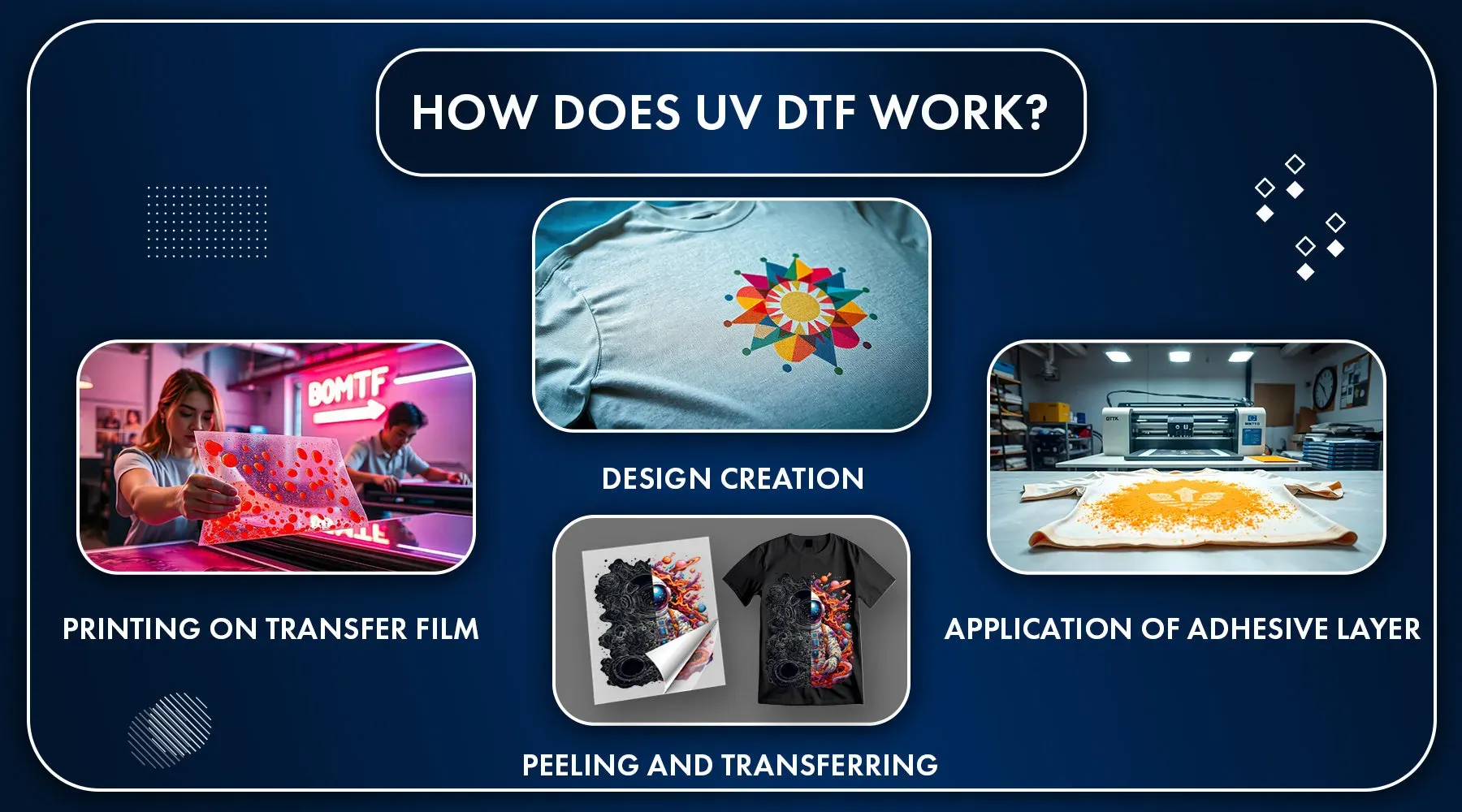
UV DTF Transfers are transforming how apparel designers bring vibrant artwork to fabrics, offering unmatched detail, color fidelity, and production efficiency. This guide compares DTF vs traditional methods for apparel and explores screen printing vs UV DTF transfers, while detailing durability of UV DTF transfers, cost of UV DTF transfers for apparel, and the best transfer method for fabrics. Compared with classic screen printing, UV DTF transfers can reduce setup time, enable on-demand customization, and scale from prototypes to mid-sized runs. Performance depends on fabric type, ink chemistry, and post-press curing, so testing across garments remains essential. Whether you run a small studio or a mid-size shop, this approach helps you choose the right method for your designs.
In other terms, this technique relies on UV-curable inks printed to a transfer film and then heat-pressed onto textiles, a digital-to-film workflow that mirrors modern on-demand production. From an information-seeking perspective, it can be described as a UV-curable transfer solution, a film-based digital print method, or a rapid-color decoration approach for apparel. Framed with related concepts such as ink adhesion, substrate compatibility, and colorfastness on cotton and blends, the topic resonates with readers researching durability and care. Using semantic variants like ‘UV-ink transfers’, ‘film transfer’, and ‘digital textile decoration’ helps search engines relate this topic to broader terms such as DTF, direct-to-film, and textile printing.
UV DTF Transfers: A Versatile Mid-Sized Production Solution
UV DTF Transfers offer vibrant, full-color imaging with a relatively thin transfer film, making them well-suited for on-demand and mid-sized production environments. This approach combines the flexibility of a digital workflow with the efficiency of a heat-apply process, enabling rapid iterations without the heavy setup required by traditional screen printing. For designers and brands, UV DTF Transfers open up creative possibilities across a broad range of fabrics while supporting scalable production schedules.
As a middle ground between traditional and newer methods, UV DTF Transfers can balance cost, speed, and quality. They are compatible with a variety of fabrics and can handle complex artwork with gradients and fine detail. When evaluating the best transfer method for fabrics, UV DTF Transfers often emerge as a versatile option for mixed-material lines and on-demand drops, where quick proofs and adjustments are valuable.
Screen Printing vs UV DTF Transfers: A Comparative View
When weighing screen printing vs UV DTF transfers, the debate often centers on setup costs, color fidelity, and production scalability. Screen printing excels in high-volume runs with solid color blocks and low per-unit costs after setup, while UV DTF Transfers shine in scenarios demanding full color, photographic detail, and fast turnarounds for mid-sized runs. Understanding these dynamics helps brands decide which method aligns with their volume and design complexity.
From the perspective of DT F vs traditional methods for apparel, UV DTF Transfers offer a nuanced balance of advantages. They reduce the need for multiple color separations and screens, while still delivering vibrant color and sharp edges. However, for very large batches with straightforward designs, traditional screen printing may remain the most cost-effective option overall.
Durability and Washability: What to Expect from UV DTF Transfers
Durability is a critical consideration for any decoration technique, and UV DTF Transfers can be highly durable when properly cured and adhered to the fabric. The longevity depends on factors such as ink chemistry, film thickness, adhesive quality, and fabric type. With correct curing and pressing parameters, UV DTF Transfers can resist washing and regular wear across cottons and blends.
Yet, abrasion-prone areas and certain fabrics can influence wear behavior. The durability of UV DTF transfers benefits from careful design choices—thin transfer layers, appropriate post-processing, and validated heat settings reduce cracking and peeling. Color longevity also hinges on substrate compatibility and laundering conditions, underscoring the importance of testing for durability before large-scale production.
Cost Considerations: UV DTF Transfers vs Traditional Methods
Cost of UV DTF transfers for apparel often centers on upfront equipment, consumables, and per-unit materials. While screen printing may offer the lowest per-unit cost at scale, the initial investment in screens, emulsions, and setup can be substantial. For mid-sized runs or on-demand production, UV DTF Transfers can provide a favorable balance of upfront investment and flexibility.
Additionally, the workflow for UV DTF transfers avoids some of the mold and color-separation costs associated with traditional methods, which can translate to a more economical option for diversified, non-repeating designs. When evaluating total cost, consider setup time, inventory, production speed, and the potential savings from on-demand manufacturing.
Best Substrates and Fabrics for UV DTF: Which Materials Work Best
UV DTF Transfers perform well on a wide range of fabrics, including cotton and blends, offering vibrant color and strong adhesion when properly cured. The method’s substrate versatility makes it attractive for lines that span multiple fabric types, enabling consistent results across cotton-rich tees and mixed-material garments.
Fabric-specific outcomes vary with adhesive formulations and pre-treatment. Polyester and synthetic blends can respond differently than natural fibers, and dark fabrics often require robust white underbases or optimized transfer settings. For brands weighing the best transfer method for fabrics, testing across their material mix is essential to ensure color fidelity and durable adhesion.
Practical Workflow: Testing, Curing, and Quality Control for UV DTF
A practical UV DTF workflow starts with swatch testing across fabrics to verify color accuracy, adhesion, and wash durability. Early tests help refine color management, edge sharpness, and gradient handling, aligning the final result with design expectations. Establishing a repeatable testing protocol reduces reprints and improves overall consistency.
Curing and pressing are critical to performance. Following recommended curing times, temperatures, and pressure ensures proper adhesion and durability. A comprehensive quality-control process should include post-curing checks, adhesion tests, and customer-care guidance to maximize garment lifespans and preserve the integrity of UV DTF Transfers over time.
Frequently Asked Questions
What are UV DTF Transfers and how do they compare to DTF vs traditional methods for apparel?
UV DTF Transfers use UV-curable inks printed onto a transfer film, then heat-pressed onto fabric. They deliver bright, full-color images with sharp detail and a relatively soft hand. Compared to DTF and traditional methods like screen printing, HTV, sublimation, and DTG, UV DTF can offer faster curing and more precise color control in certain setups, making them ideal for on-demand and mid-volume runs. For very large runs with solid colors, traditional screen printing can still be more cost-efficient.
In the debate of screen printing vs UV DTF transfers, which method offers better color detail and softness?
Screen printing excels at high-volume runs with solid colors and long durability, but UV DTF transfers provide full-color detail, gradients, and easier multi-color designs. The hand feel of UV DTF is often softer than many traditional ink transfers, though thickness and post-processing matter. For complex artwork with fine detail, UV DTF can offer superior color fidelity and edge clarity; for simple color blocks, screen printing may still be the most cost-effective option.
How durable are UV DTF transfers on fabrics, and what care affects longevity?
When properly cured and pressed, UV DTF transfers can be highly durable on cotton and blends, with good wash-fastness and abrasion resistance. Longevity depends on ink chemistry, transfer film, adhesive, fabric type, and laundering conditions. To maximize life, follow garment care instructions (turn inside out, cold wash, low-heat dry) and consider placement away from high-friction areas. Durability can vary across fabrics.
What is the cost of UV DTF transfers for apparel, and when do they make sense for production?
Upfront equipment and media costs for UV DTF transfers can be higher than basic screen printing, but per-unit costs often improve for mid-sized runs and on-demand production due to reduced setup and no color separations. UV DTF can be cost-effective compared to DTG for many runs, and it avoids some mold costs associated with screen printing. Assess total cost by considering setup, materials, labor, and turnaround.
What fabric types are best for UV DTF transfers, and is UV DTF the best transfer method for fabrics?
UV DTF transfers are versatile across cotton, blends, and many synthetics, offering vibrant color and good adhesion. For polyester and all-over prints, sublimation may be preferable; DTG shines on cotton with high color depth; screen printing remains efficient for large-volume runs of simple colors. The best transfer method for fabrics depends on fabric type, weight, and intended design.
For on-demand or small-batch runs, how do UV DTF Transfers perform, and what tests should you run to validate durability and fabric compatibility?
UV DTF Transfers perform well in on-demand and small-batch contexts, offering fast setup and flexible color options. To validate durability and fabric compatibility, run swatch tests across fabrics, check color fidelity, adhesion, wash durability, and abrasion resistance, and verify curing temperatures and pressures. Testing helps confirm performance on cotton, blends, and synthetics and guides pre-treatment and post-processing decisions.
| Key Point | Summary |
|---|---|
| What UV DTF Transfers are | Transfer method using UV-curable inks printed on film, then heat-transferred to fabric; delivers vibrant, full-color images with a thin, soft feel. |
| Traditional methods for apparel | Main methods include Screen Printing, Heat Transfer Vinyl (HTV), Sublimation, and Direct-to-Garment (DTG); each has unique strengths and limitations. |
| Color quality and detail | UV DTF typically yields bright colors and sharp edges; can handle gradients and fine details, depending on equipment and workflow. |
| Softness/hand feel | Often sits between the crispness of screen printing and the softness of DTG; actual feel depends on ink, film, and post-processing. |
| Durability and wash performance | Durable when properly cured and adhered; wash-fastness and cracking vary with film thickness, adhesive, and fabric. |
| Substrate compatibility | Broadly compatible with cotton, blends, and some synthetics; sublimation is poly-focused, DTG favors cotton; UV DTF is versatile across fabrics. |
| Cost, speed, and production | Lower setup for on-demand/mid-size runs; per-unit costs higher for very large runs with screen printing; speed depends on printer, curing, and post-processing. |
| Fabric and design guidance | Choose method based on fabric, design complexity, and run size; test prints recommended across fabrics. |
| When to use UV DTF vs traditional methods | Small-to-mid runs with complex designs or on-demand needs; large-volume runs with simple color blocks may favor screen printing; consider fabric and desired hand. |
| Myths and misconceptions | UV DTF is always best, always more expensive, or always heavy; realities: depends on run size, cost structure, and film/adhesion; can be soft with proper curing. |
| Quality control and best practices | Pre-treatment when needed; design optimization; proper curing/pressing; provide post-care guidance. |
Summary
UV DTF Transfers offer a compelling option in the apparel decoration landscape. They combine vibrant color, detailed imagery, and production flexibility that suits on-demand and mid-sized runs, while remaining adaptable across a wide range of fabrics. When choosing between UV DTF Transfers and traditional methods like screen printing, sublimation, or DTG, consider design complexity, fabric composition, order volume, and desired garment hand. The best approach is to test on representative fabrics and workflows to determine the most durable, cost-effective, and visually faithful method for each project.